

Core Robotics
The complete guide to robotics for investors, strategists, and operators
Every robot is a bet on three things: that the mechanical hardware can survive the real world, that the sensors can make sense of it fast enough, and that the software can decide what to do before the moment passes. This Core teaches you to evaluate all of them.
JMill
Abstract
The word robotics now attaches to everything from a six-axis arm on an assembly line to a chatbot that drafts marketing copy, and the confusion costs real money: software multiples applied to hardware businesses, deployment timelines measured in sprints instead of field-testing years, pitch decks treating AI-powered as a synonym for autonomous. This guide separates robot from fancy machine. Across fourteen modules it maps where durable value accrues in the five subsystems every robot shares, names the physical-world constraints that will still bind five years from now, and builds the technical fluency to evaluate robotics companies on what they can actually do.
DOI https://doi.org/10.67888/tee.a1d5892e
Miller, J. (2026). Core Robotics. The End Effector. https://endeff.com/cores/robotics (1.0) https://doi.org/10.67888/tee.a1d5892e [Requires Explorer access]

The Question
Is robotics a distinct investment class, with its own physics, deployment timelines, and moats?
Or just AI with a chassis? The word now attaches to everything from a six-axis arm on an assembly line to a chatbot that drafts marketing copy, and that confusion costs real money: software multiples applied to hardware businesses, deployment timelines measured in sprints instead of field-testing years, pitch decks treating "AI-powered" as a synonym for "autonomous." This Core separates robot from fancy machine, maps where durable value accrues across the five subsystems every robot shares, and names which physical-world constraints will still be binding five years from now.
What you'll learn
- ✓Evaluate robotics companies by understanding the hardware-software-sensing triad
- ✓Identify which robotics markets have real commercial traction vs. research hype
- ✓Understand the unit economics that determine which automation bets will pay off
- ✓Recognize technical moats in perception, manipulation, and navigation
Modules
What separates a real robot from a fancy machine, and why does the distinction determine where value accrues?
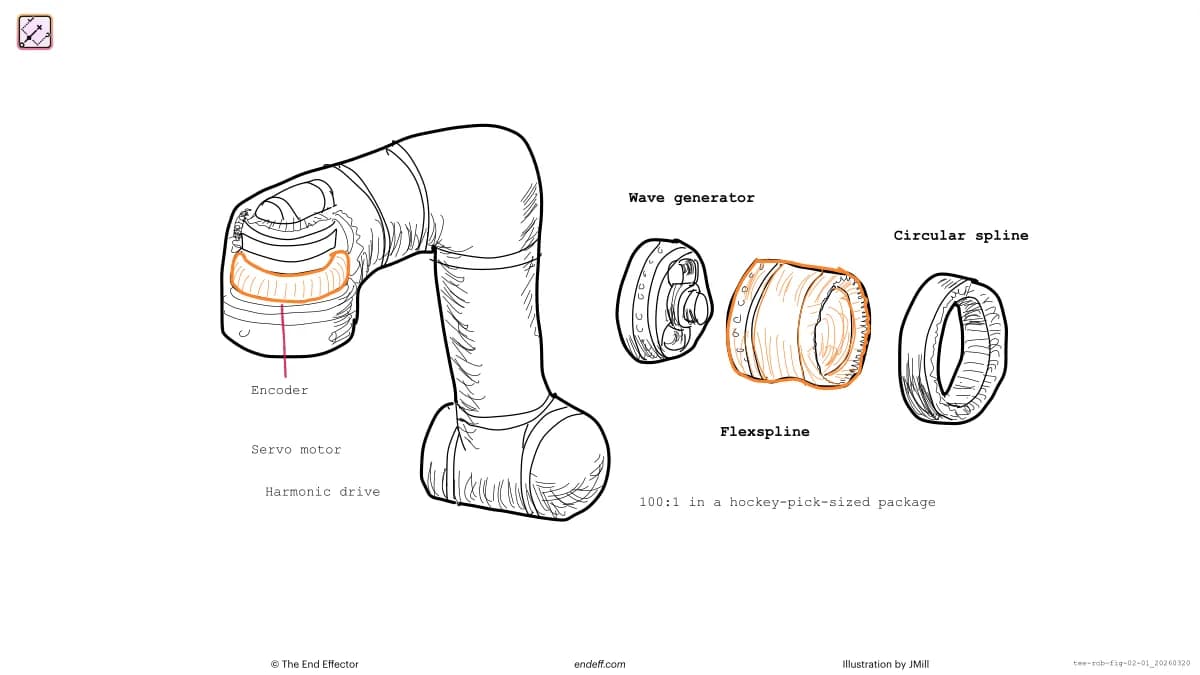
16 min readWhy do joints, actuators, and gears determine everything a robot can and can't do, for the machine's entire operational life?
18 min readHow does a robot interpret what it sees, feels, and hears, and what happens when sensor data disagrees?
19 min readHow does a robot figure out what to do next, and why is choosing between good-enough plans harder than finding the optimal one?
18 min readWhat makes the difference between a plan on paper and smooth, precise motion in the real world?
18 min readCan robots actually learn from experience, or is it all pre-programmed, and what does the answer mean for deployment?
18 min readWhy does the battery determine more than just runtime, and what does a robot do when it can't phone home?
14 min readWhy does integration kill more robotics startups than any single subsystem failure?
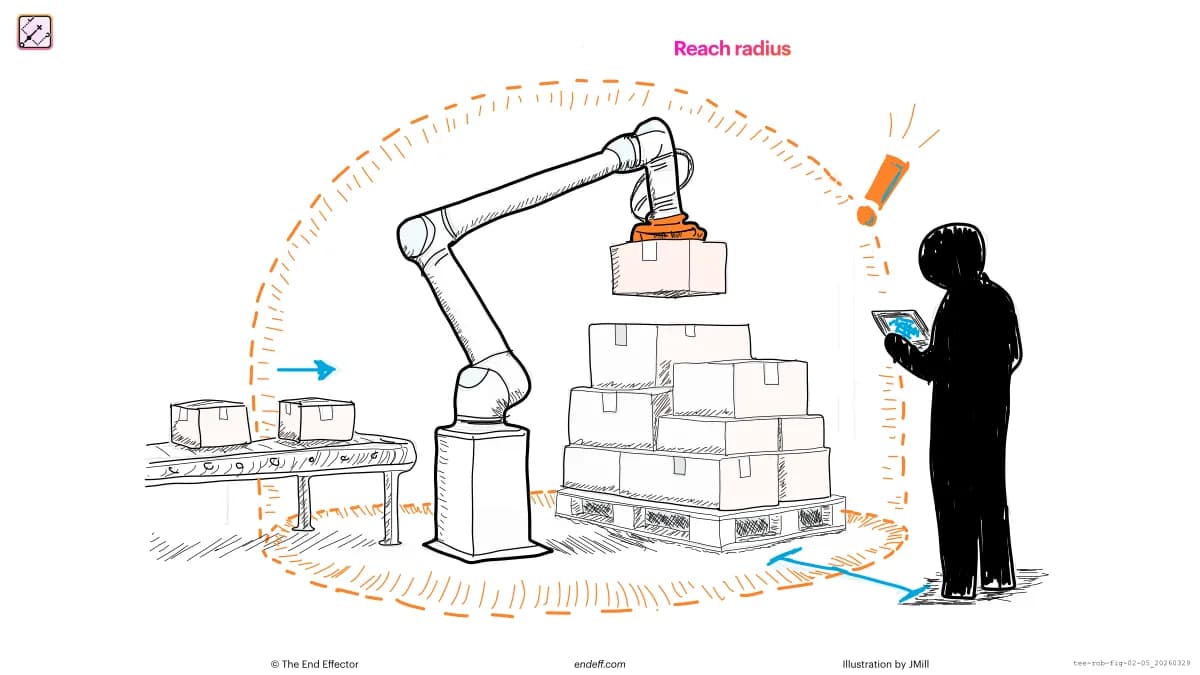
16 min readWhat does it actually take for robots and humans to share space, share tasks, and share control without anyone getting hurt?
17 min readWhich industries are robots genuinely transforming right now, and where is the gap between headlines and reality widest?
18 min readWhen does a robot actually save money compared to a human worker, and why do the economics surprise most buyers?
18 min readWho's winning, who's losing, and what structural shifts are reshaping competition across robotics segments?
17 min readHow do investors and operators separate real capability from impressive demos, and what do the survivors have in common?
17 min readWhat's genuinely coming versus what's hype, and where should capital flow next?
18 min readResources
From the Field
Tools & Resources
Unlock Core Robotics
Create a free account to get started, or become an Operator for full access to every Core, Impact Study, and Conversation.
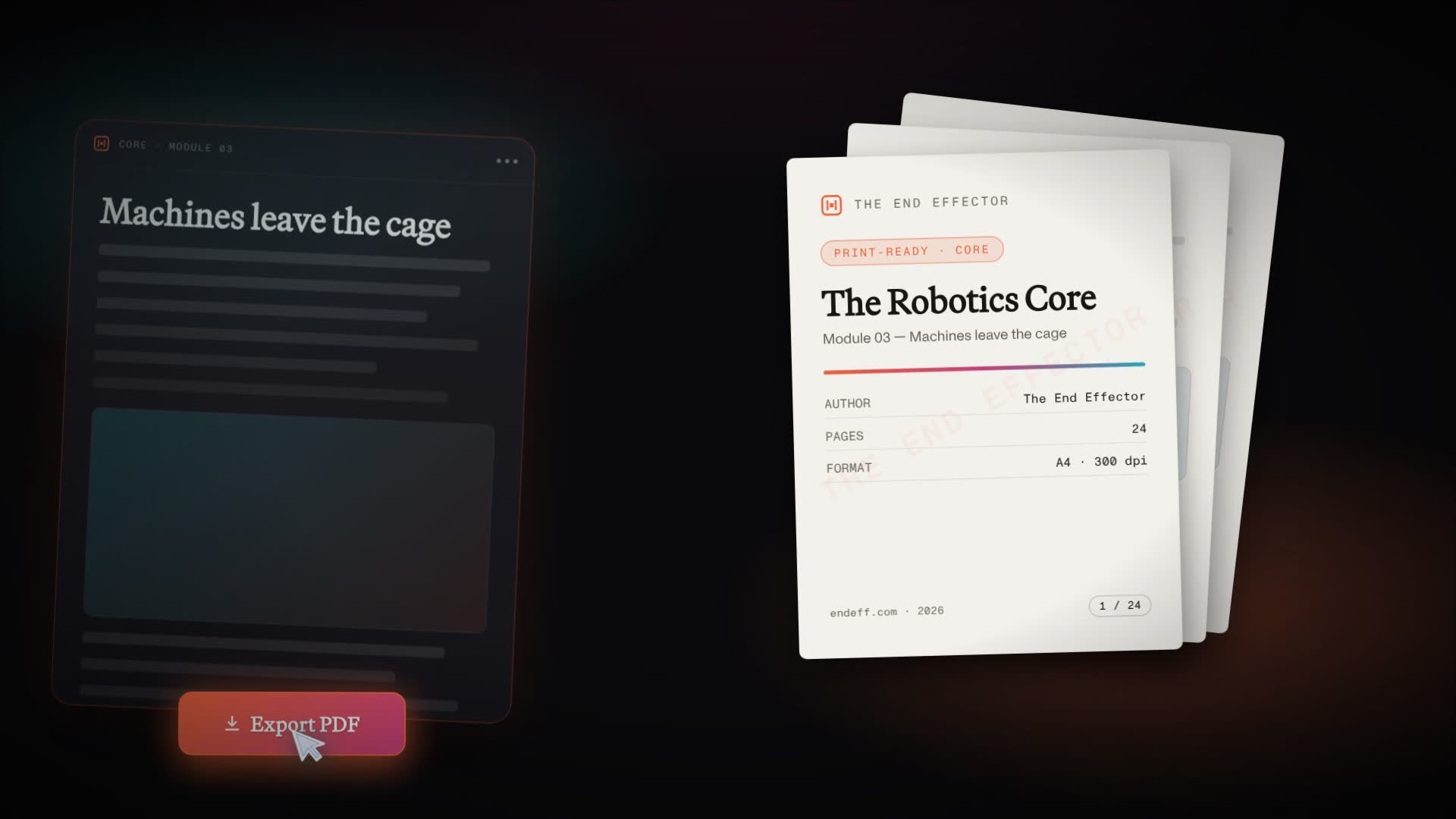
Take it with you
Print-ready, in one click
Every module exports to a clean, typeset PDF — print it for a focused read, or send it to a colleague.
Hands-on and hand-drawn
Interactive tools to learn by doing.
Drag sliders. Explore tradeoffs. Break things. Explore.
Original artwork
Not stock. Not generated. Drawn for this.
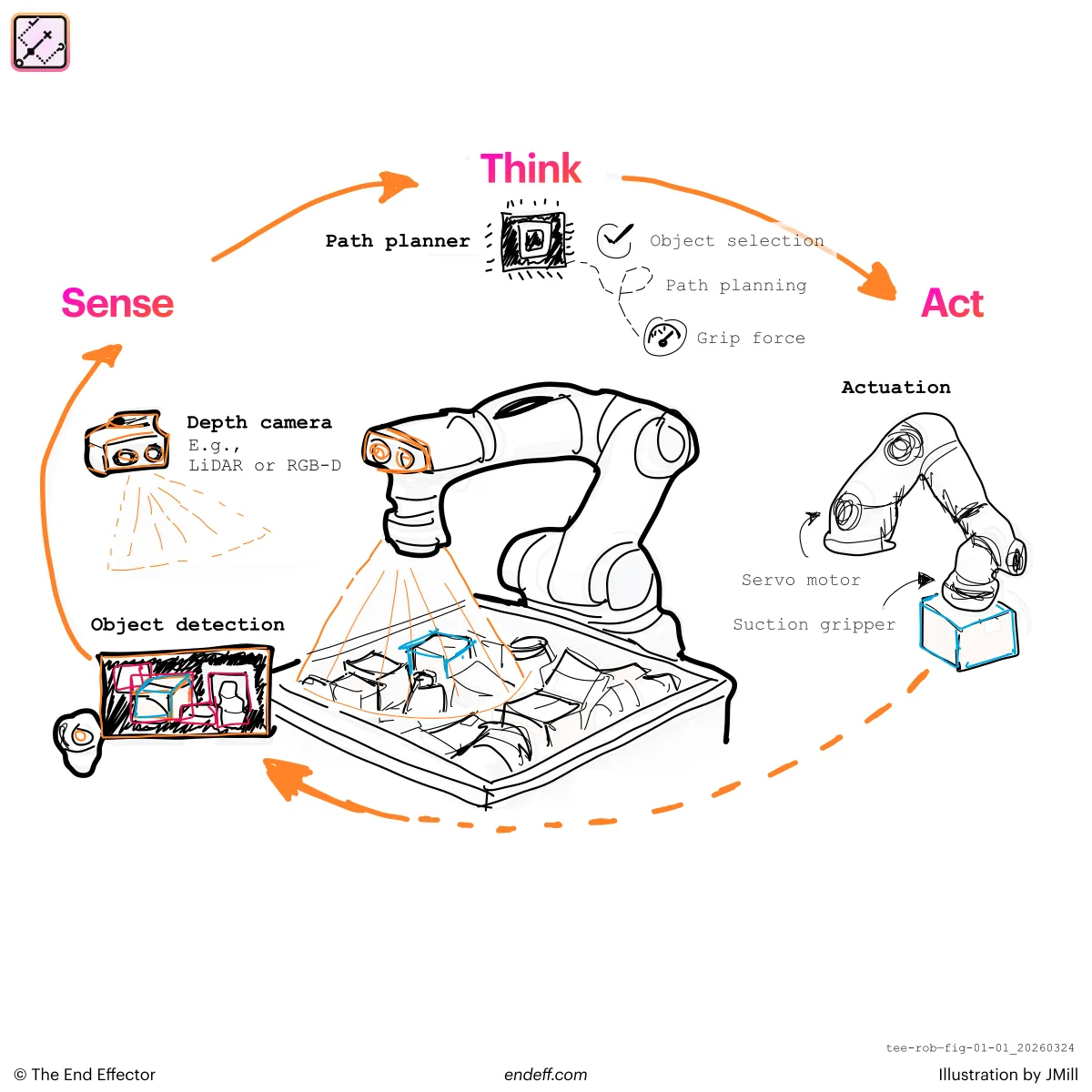
The sense-think-act cycle that every robot runs
Serial vs. parallel kinematic chains
Mechanical design as competitive strategy
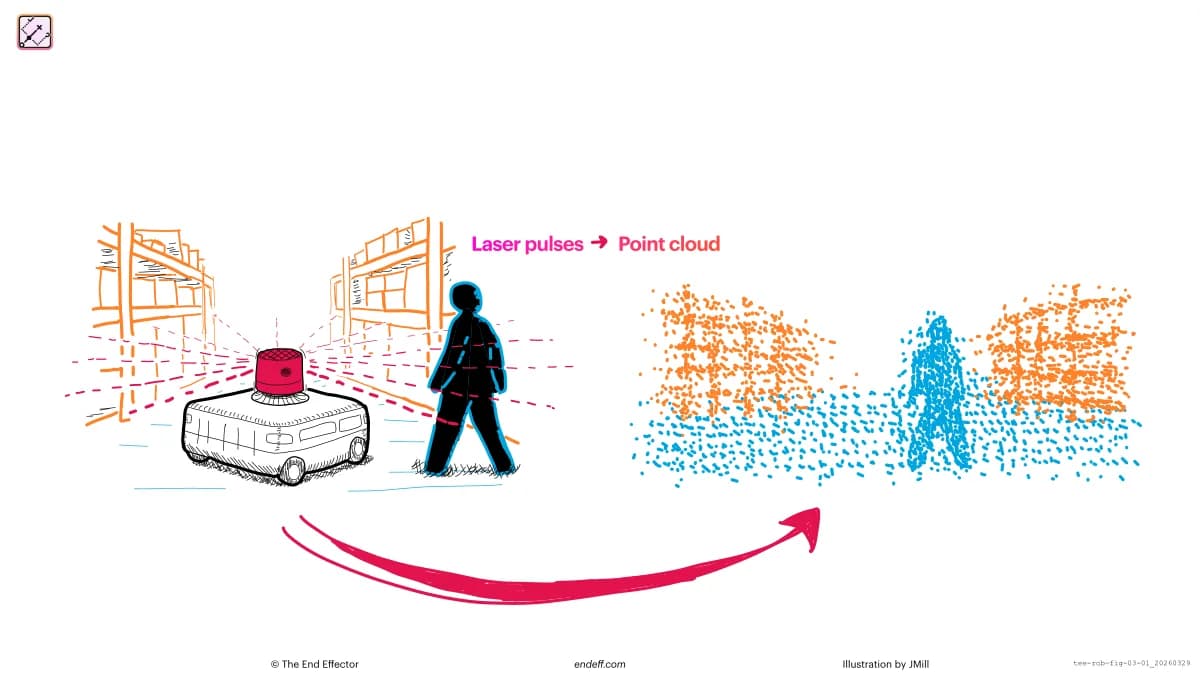
How LIDAR turns laser pulses into a 3D point cloud
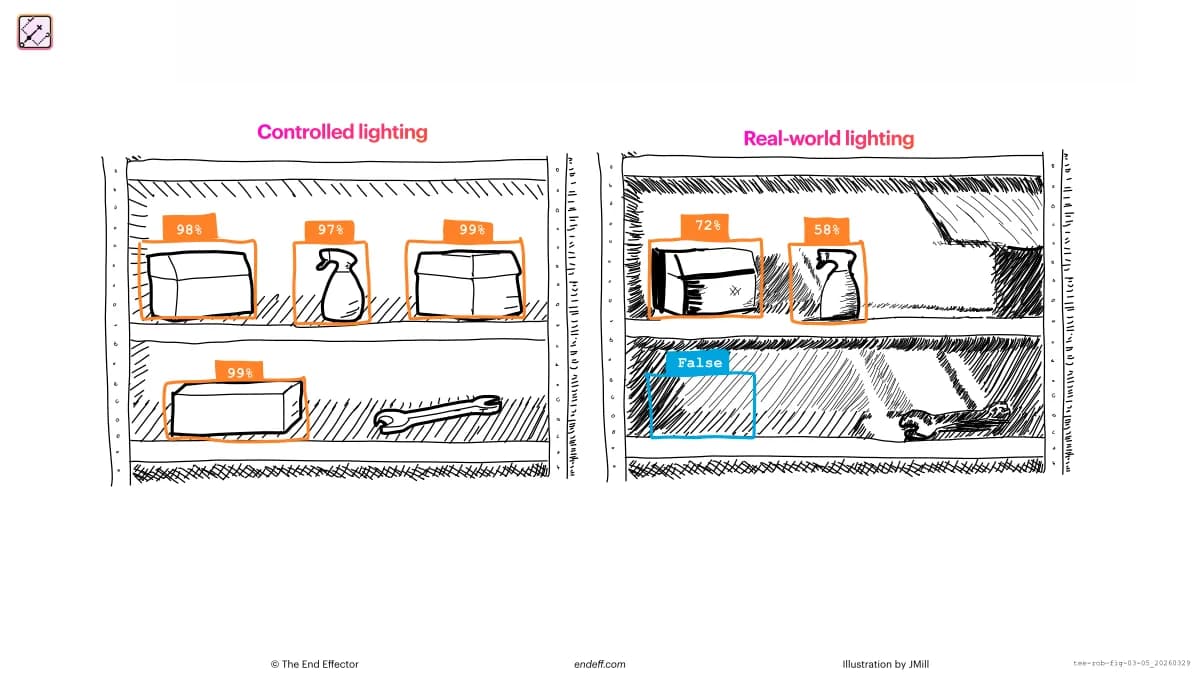
How sensor fusion actually works
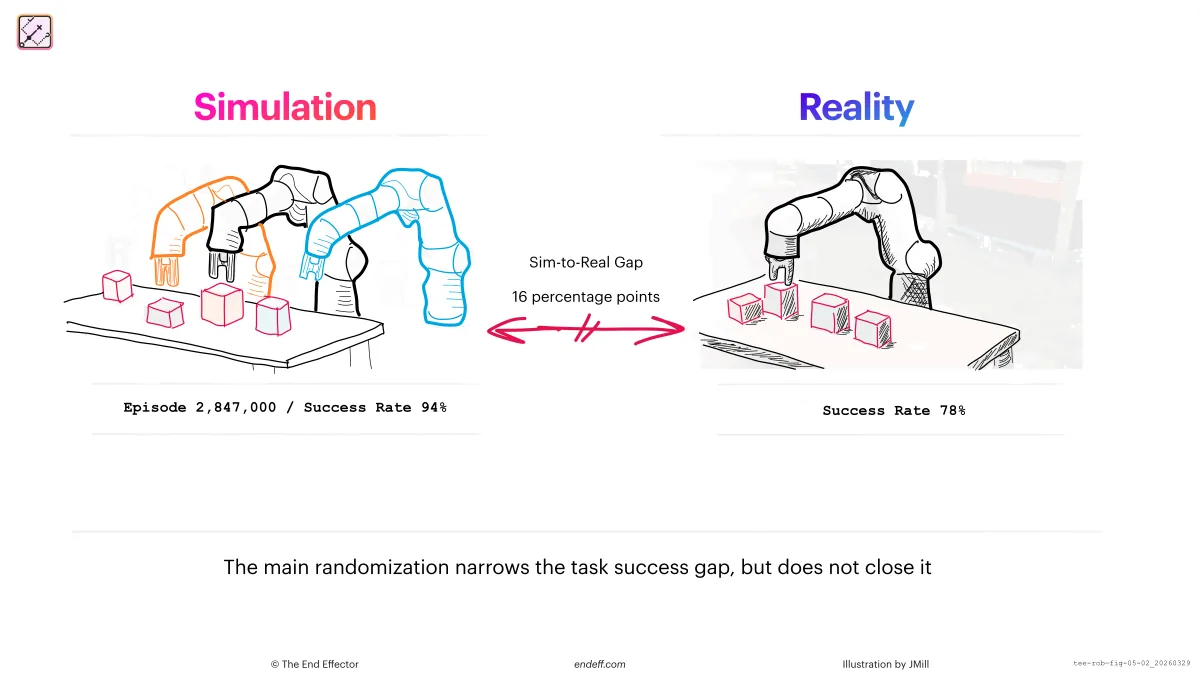
The sim-to-real gap that trips up every team
Where integration complexity hides
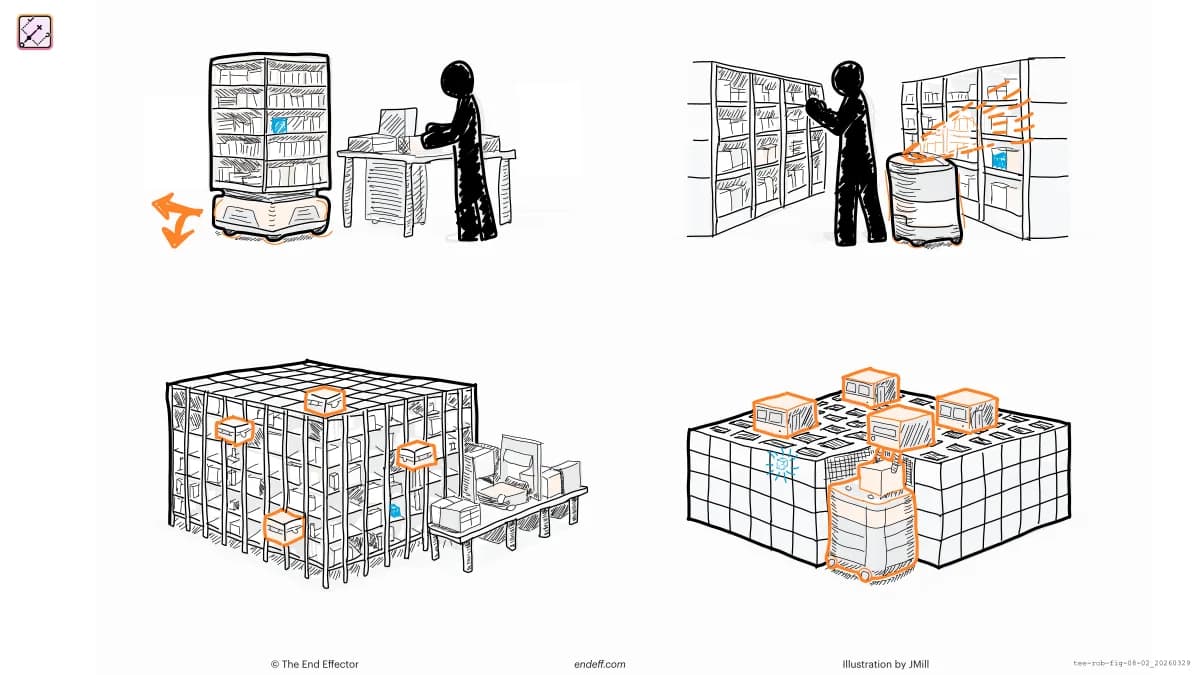
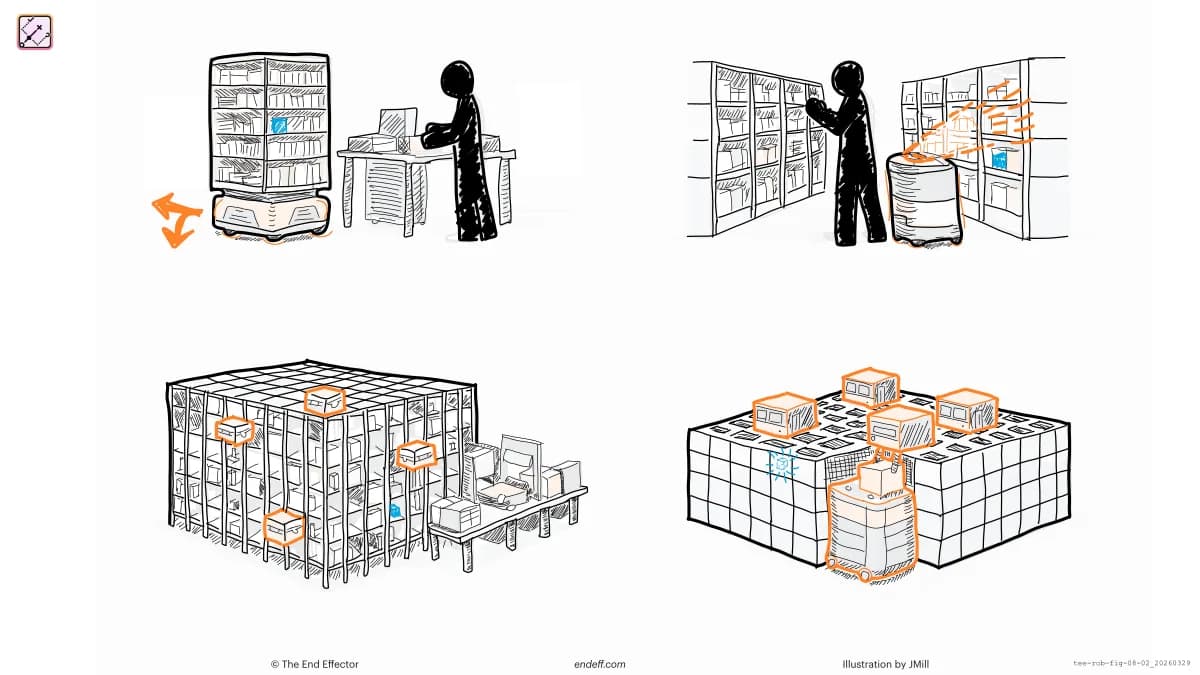
Four warehouse deployment models, side by side
Don't miss the launch.
Become an End Effector to get notified when Core Robotics goes live, or sign in if you already have an account.
Acknowledgments
Thanks to the expert reviewers — named and anonymous — who stress-tested these modules before publication, including Emily Kamienski.